


Econometric analysis of the quality of electricity distribution service: A focus on SAIDI and SAIFI
12/04/2024
Impact on reserve levels and their cost due to the penetration of renewable energies in the Peruvian National Electric System
04/03/2025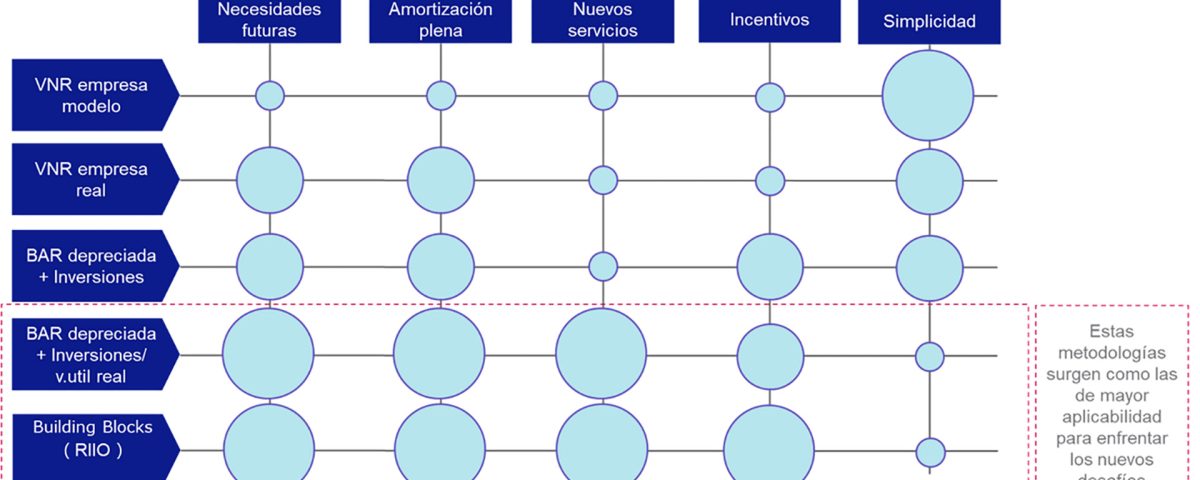
The difficult path of supporting the energy transition with appropriate electricity tarif
The demands of the energy transition require clear signals that encourage companies to make the necessary investments to adapt networks and management systems in accordance with the new requirements.
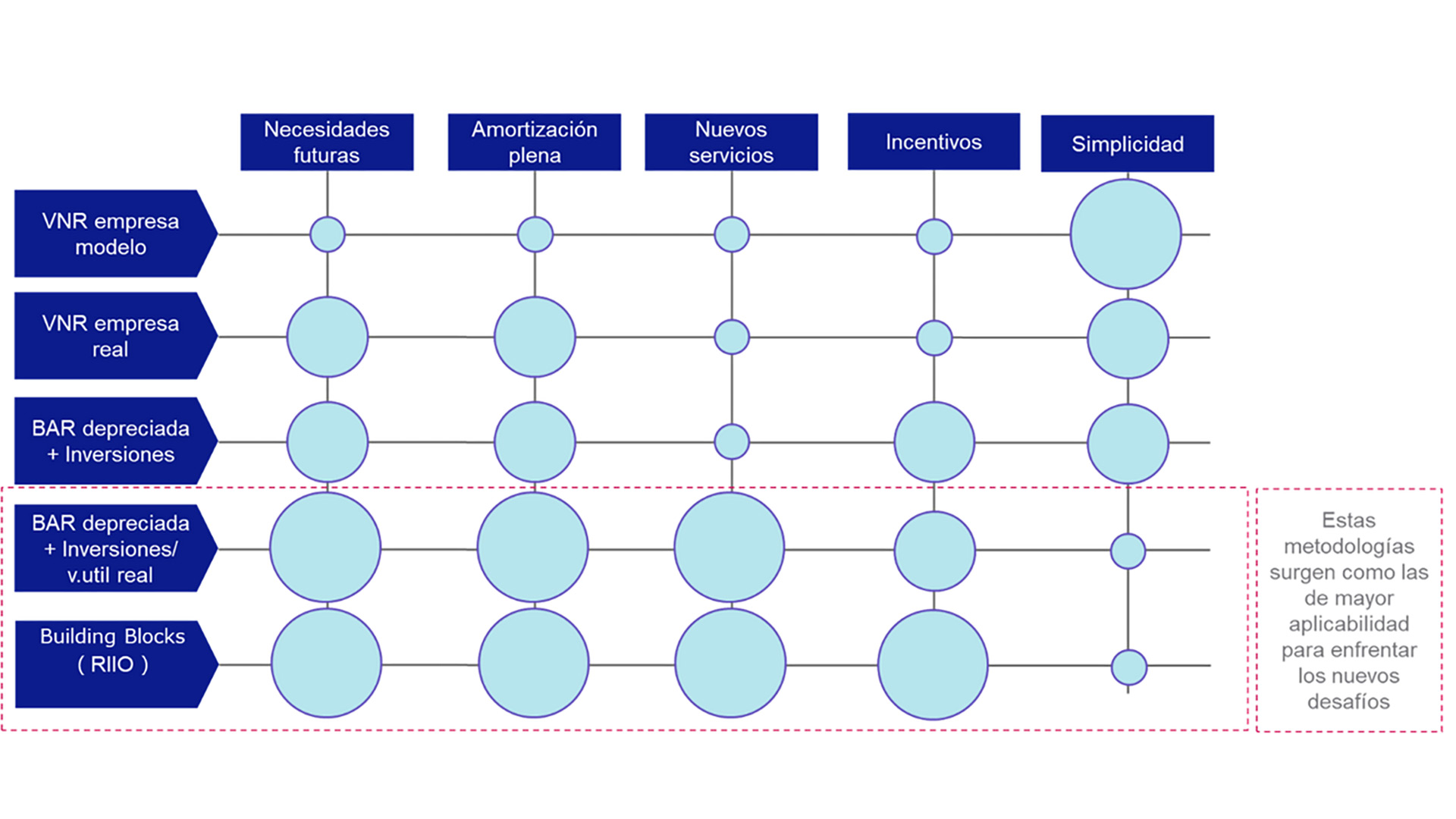
While there has been progress in the regulatory models applied in Latin America, there are still those that are based on defining income to meet future needs based on a theoretical network model for a base year, which presents several drawbacks:
- Revenue projections are based on a snapshot of the past and do not adjust to future needs that differ from those of the past.
- It is not suitable for incentivizing companies to take the actions required to advance an energy transition that incorporates efficiency in demand management and enables the incorporation of smart grids, distributed generation, and electric vehicles.
- Incentives are limited, or almost non-existent, since compensation is based on past performance that does not consider the company's future needs, making it difficult to incorporate new technologies.
Therefore, it is necessary to adapt regulatory models to provide companies with the appropriate signals to make the necessary investments to upgrade their networks and management systems. This requires implementing models that identify the actual investment needs for achieving goals related to smart grid integration, demand management, distributed generation, and electric vehicles.
A comparison of applicable regulatory models shows that Building Blocks-type models, such as the one applied in England, which consider investments, incentives and allow savings to be passed on to users, would be the most appropriate.
Furthermore, it is essential to adjust the tariff structure to send the right signals to customers:
- Flexible time-of-use tariffs that reflect the cost of purchasing energy and power and the cost of using the networks
- "De-energized" tariffs that ensure the recovery of required revenue regardless of energy consumption, taking into account that operating costs are independent of consumption.
Sending the right signals to customers will induce a change in users' consumption patterns, enabling them to capture the benefits produced by the energy transition.
It is essential to make progress in adapting regulatory models to advance the modernization of networks and management systems in order to enable the existence of appropriate signals for companies and users in the energy transition process.




Let’s start a conversation
Contact us to assess your needs and work together to identify the most suitable solution.